Tips For Maintaining lab grown diamond engagement rings
Wiki Article
Discover Exquisite Lab Grown Diamond Engagement Rings for an Ageless Symbol of Your Love
Lab-grown diamond engagement rings have become a compelling choice for couples looking for both elegance and ethical honesty. These treasures mirror the sparkle of natural diamonds, yet they come with a smaller sized environmental impact. With numerous designs and modification choices readily available, each ring can tell a distinct story. As couples discover these choices, concerns concerning their relevance and value emerge, motivating a deeper check out what makes these rings a purposeful sign of love.The Rise of Lab-Grown Diamonds: A Modern Romance
As consumers increasingly look for sustainable options, the appeal of lab-grown diamonds has surged, transforming the engagement ring market. These ethically generated stones appeal to ecologically mindful pairs who want a symbol of love without the honest worries related to traditional mining. Lab-grown diamonds supply the very same allure, radiance, and top quality as natural diamonds but at a much more easily accessible price point. This shift in consumer preference is improving the narrative around engagement rings, promoting a modern-day love tale that values sustainability and authenticity. Stores are replying to this fad by expanding their offerings, making lab-grown alternatives much more widespread in precious jewelry shops. As an outcome, couples are equipped to select beautiful, meaningful rings that reflect their worths and commitment to a better future.Recognizing the Process: Exactly How Lab-Grown Diamonds Are Made
While several might think that diamonds can just be developed deep within the Planet's mantle, lab-grown diamonds are developed through sophisticated technological procedures that reproduce these all-natural problems. Both key approaches for creating these diamonds are High Stress High Temperature (HPHT) and Chemical Vapor Deposition (CVD) In the HPHT method, carbon is subjected to extreme stress and temperature, mimicking the all-natural development procedure. Conversely, the CVD method includes creating a plasma environment where carbon atoms slowly down payment onto a substrate, forming diamond crystals over time. Both approaches lead to diamonds that are chemically and literally identical to their mined equivalents. Subsequently, lab-grown diamonds use a lasting choice, offering the exact same sparkle and elegance without the environmental effect connected with standard diamond mining.The Honest Option: Why Select Lab-Grown Diamonds?
Lab-grown diamonds present an engaging ethical option for customers concerned about the environmental effect of standard mining. These diamonds guarantee a conflict-free standing, making certain that no civils rights misuses are connected to their manufacturing. Furthermore, they use an economical option without endangering top quality or beauty.Environmental Impact Factors To Consider

Conflict-Free Assurance
As customers come to be much more conscious of honest sourcing problems, the allure of lab-grown diamonds copyrights on their fundamental conflict-free guarantee. Unlike mined diamonds, which might be related to funding problem and human legal rights misuses in different regions, lab-grown diamonds are produced in controlled settings, eliminating any issues associated to unethical practices. This assurance resonates especially with socially mindful buyers, that prioritize moral factors to consider in their buying decisions. In addition, lab-grown diamonds undergo strenuous accreditation procedures, making sure openness and traceability. By opting for these diamonds, customers sustain liable practices while taking pleasure in the very same physical and visual high qualities as natural diamonds. This moral choice reflects an expanding trend toward valuing stability and obligation in the luxury market.Cost-Effective Alternative
An engaging facet of lab-grown diamonds is their cost-effectiveness, making them an attractive choice for budget-conscious consumers. Generally priced 20-40% reduced than natural diamonds, these lab-created stones provide a considerable financial savings without giving up high quality or elegance. This financial benefit enables pairs to invest in larger or higher-quality diamonds than they could afford otherwise. Furthermore, the ethical manufacturing procedure of lab-grown diamonds interest those that prioritize sustainability and social responsibility. By selecting these rocks, customers can enjoy assurance, understanding they are making a diligent option. As the demand for moral alternatives expands, lab-grown diamonds continue to become a sensible and enticing alternative for engagement rings, mixing price with modern-day worths.Aesthetic Allure: Comparing Lab-Grown and Mined Diamonds
The aesthetic allure of lab-grown and mined diamonds is often evaluated through aesthetic clarity, sparkle, and overall craftsmanship. Elements such as shade and reduce top quality play substantial duties in identifying their elegance, while moral and environmental considerations also influence consumer choices. lab grown diamond engagement rings. A comparison of these facets reveals the nuanced distinctions between both options, forming the selections of potential customersAesthetic Quality and Brilliance
Aesthetic quality and luster function as critical variables in examining the aesthetic appeal of both lab-grown and mined diamonds. Lab-grown diamonds typically show exceptional quality as a result of the regulated problems in which they are created, getting rid of much of the flaws and inclusions normally discovered in their all-natural equivalents. This improved clearness adds to a dazzling luster that captivates the eye. On the other hand, extracted diamonds can have special inclusions that some may find enticing, as they mirror the stone's natural origin and credibility. However, these incorporations can take away from overall brilliance. Inevitably, both sorts of diamonds can attain amazing Read More Here aesthetic clarity, yet lab-grown diamonds often radiate brighter, using a modern selection without sacrificing the ageless style that defines an involvement ring.Color and Cut Quality
Color and cut top quality substantially influence the general visual allure of both lab-grown and extracted diamonds. The Gemological Institute of America (GIA) classifies diamond shade on a range from D (anemic) to Z (light yellow) Lab-grown diamonds can accomplish the very same color grades as their mined equivalents, allowing consumers to select rocks that match their preferences. In addition, the cut of a ruby significantly influences its sparkle and sparkle. Outstanding cut diamonds show light ideally, boosting aesthetic charm. Both kinds of diamonds can display premium cut quality, but lab-grown options may offer a lot more accurate cuts due to advanced production methods. Inevitably, the choice between the 2 depends upon individual taste and wanted attributes in an engagement ring.Honest and Ecological Considerations
While both lab-grown and mined diamonds can be visually spectacular, ecological and ethical factors to consider play a considerable role in the decision-making procedure for numerous customers. Lab-grown diamonds are created in regulated environments, ensuring that no underhanded mining methods are involved. This transparency attract those concerned regarding human rights offenses commonly related to extracted diamonds. Furthermore, lab-grown diamonds have a smaller sized environmental footprint, as their manufacturing generally requires less water and power than traditional mining, which can devastate environments. On the other hand, mined diamonds usually originate from regions tormented by dispute and ecological deterioration. As recognition of these issues grows, many couples are choosing lab-grown choices, watching them as a liable option that aligns with their worths while still celebrating their love.Customization Options: Creating Your Perfect Engagement Ring
Just how can one create a truly one-of-a-kind engagement ring that shows personal style and view? Modification choices for lab-grown diamond engagement rings permit couples to tailor their fashion jewelry to their certain tastes. From choosing index the diamond form-- such as round, princess, or oblong-- to selecting the band material, options are plentiful. Couples can incorporate various metals, including white gold, yellow gold, or platinum, to accomplish their desired visual. Setting styles, like jewelry or halo, even more boost customization. Additionally, inscribing inside the band can add a nostalgic touch, featuring initials or significant days. With these customizable elements, each engagement ring comes to be a distinctive depiction of love, combining style with individual relevance. This procedure ensures the ring is as distinct as the relationship it symbolizes.Taking care of Your Lab-Grown Diamond: Upkeep Tips
Preserving the radiance of a lab-grown diamond needs careful focus and regular treatment. To maintain the diamond sparkling, it is critical to clean it on a regular basis using a soft brush and light soapy water. Avoid rough chemicals and ultrasonic cleansers, which can damage the rock. Furthermore, storing the ring independently in a committed box or a soft cloth aids avoid scratches. lab grown diamond engagement rings. When taking part in tasks that might expose the ring to dust or possible damages, getting rid of the ring is suggested. Regular inspections at a jeweler can assure that the setup continues to be safe and secure. By adhering to these easy maintenance tips, one can preserve the charm and integrity of their lab-grown diamond additional reading engagement ring for years to comeReal Pairs, Real Stories: Lab-Grown Diamond Engagement Ring Experiences
What influences couples to select lab-grown diamond engagement rings? Many pairs are drawn to the moral and ecological benefits of lab-grown diamonds, which are developed without the unfavorable influences connected with standard diamond mining. Genuine tales reveal that couples value the clearness and sparkle of these rocks, usually selecting bigger or even more intricate styles than they could pay for with natural diamonds. For circumstances, Jenna and Mark shared their exhilaration concerning finding a sensational lab-grown ring that lined up with their values, permitting them to invest much more in their wedding experience. Similarly, Sarah and Tom revealed happiness in selecting an one-of-a-kind style that reflected their characters, highlighting the convenience and affordability of lab-grown diamonds. These experiences stress that love and intent form every option.Often Asked Inquiries
Are Lab-Grown Diamonds A Lot More Budget-friendly Than Mined Diamonds?
Lab-grown diamonds are normally a lot more economical than extracted diamonds, frequently setting you back 20-40% less. This price distinction emerges from lower manufacturing costs and the absence of mining expenditures, making them an attractive option for budget-conscious customers.
Just How Can I Tell if a Ruby Is Lab-Grown?
To identify if a diamond is lab-grown, one can look for accreditation from reliable gemological laboratories, look for specific engravings on the rock, or use sophisticated testing approaches that set apart all-natural from artificial diamonds.Do Lab-Grown Diamonds Hold Their Worth Over Time?
Lab-grown diamonds usually do not hold their value in addition to natural diamonds. Their resale market has a tendency to be less durable, bring about lower long-lasting recognition and potentially significant depreciation compared to mined counterparts.What Are the Warranty Options for Lab-Grown Diamond Bands?
Guarantee options for lab-grown diamond rings commonly include protection for producing problems and may use extended service strategies for upkeep. Each merchant offers different terms, so it is essential to assess certain policies before acquisition.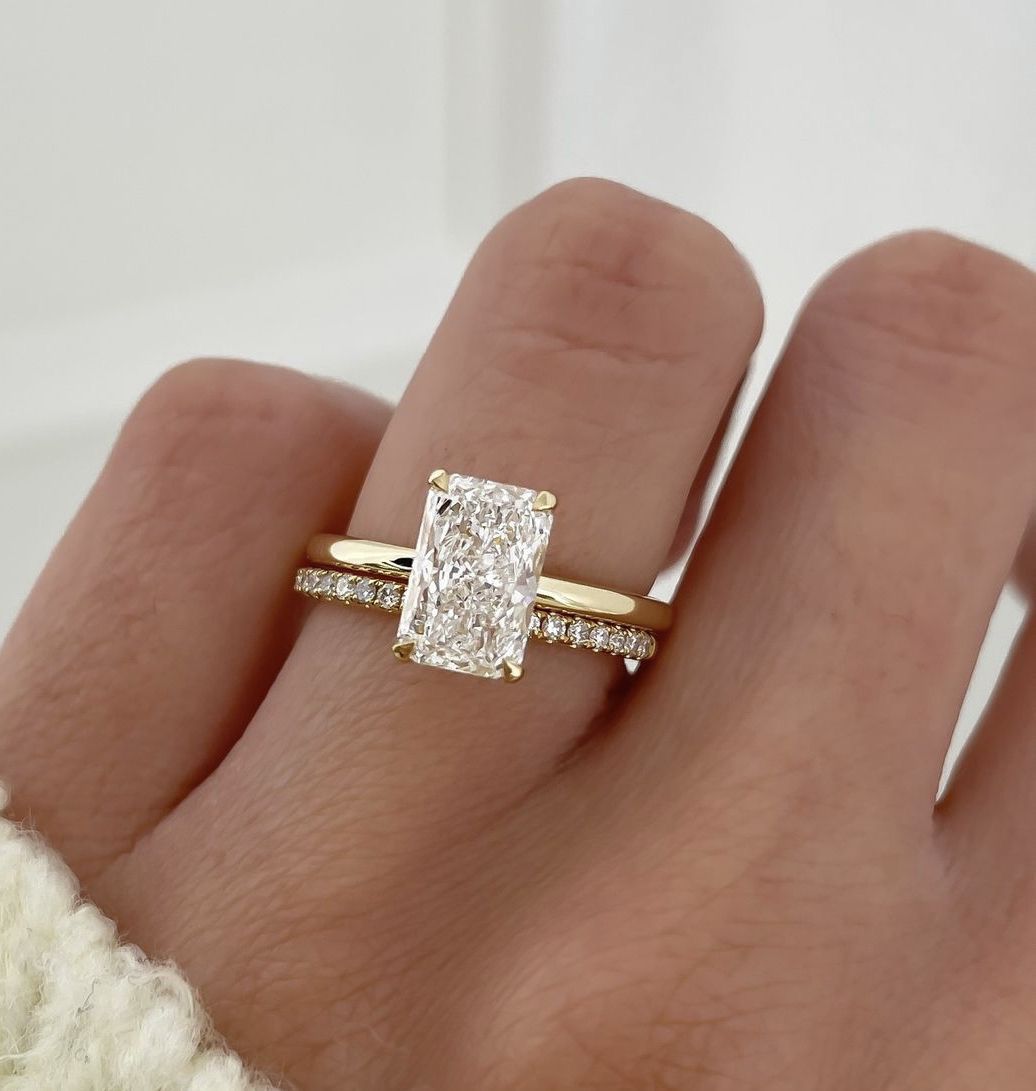
Can I Resell a Lab-Grown Diamond Engagement Ring?
Yes, a lab-grown diamond engagement ring can be resold. Resale worths may vary substantially compared to natural diamonds, commonly depending on market need, ring problem, and the brand name's track record. (lab grown diamond engagement rings)Lab-grown diamonds use the exact same attraction, sparkle, and quality as natural diamonds however at a more obtainable price factor. Unlike extracted diamonds, which might be linked with funding problem and human rights misuses in various regions, lab-grown diamonds are produced in regulated settings, getting rid of any type of worries associated to underhanded techniques. Many pairs are attracted to the ecological and ethical advantages of lab-grown diamonds, which are produced without the adverse effects associated with standard diamond mining. Lab-grown diamonds are generally much more cost effective than extracted diamonds, commonly costing 20-40% less. Lab-grown diamonds usually do not hold their worth as well as natural diamonds.
Report this wiki page